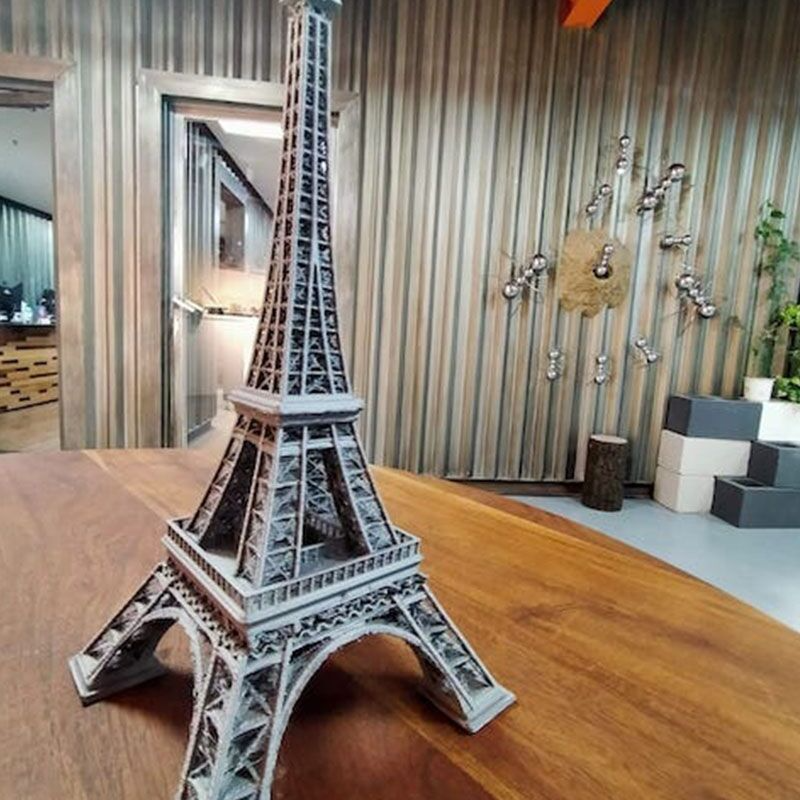
A 3D-printed object does not need to be completely solid to be strong. The structure hidden inside the print can greatly affect its strength, weight, flexibility, and material efficiency. Internal infill lets you control these properties, making it an important part of additive manufacturing.
Continue reading to understand how different infill patterns work and why they are used by a 3D printing company.
How internal infill supports strength
Infill adds an internal framework beneath the outer shell. Grid, honeycomb, gyroid, and triangular patterns distribute forces through the printed part. When pressure reaches one area, the internal structure helps spread that force across surrounding sections.
Higher infill density generally increases stiffness and strength, while lower density suits parts that face lighter loads during regular use.
Weight reduction without excessive material
Solid prints consume substantial material and add unnecessary weight in many applications. Internal infill offers a practical alternative by leaving controlled spaces inside the model. Designers select an appropriate pattern and density according to the part’s purpose.
This produces lighter components that remain structurally useful, especially within prototypes, fixtures, housings, models, and larger printed objects.
Better resistance to deformation
Internal structure helps a printed component maintain its intended form when external forces act upon it. Suitable infill supports broad surfaces and reduces the chance of excessive bending, warping, or collapse.
Designers can adjust density in areas that experience greater stress. This localized approach adds support where needed while keeping less demanding areas relatively lightweight.
Improved performance across different loads
Different infill patterns respond differently to compression, tension, vibration, and repeated movement. A honeycomb pattern provides efficient support across many general applications, while gyroid structures offer useful strength across multiple directions.
Triangular patterns suit parts that require greater rigidity. Designers select the internal geometry according to the forces a component experiences during operation.
Support during large scale printing
Large models benefit significantly when internal structure supports broad walls and surfaces. Infill helps reduce the amount of solid material inside large components while maintaining useful structural integrity. This approach also reduces overall weight, making transportation and installation simpler. Designers can adjust density across sections to suit different structural demands within the same printed object.
Higher infill density uses additional material and increases production time. Lower density saves material but may reduce stiffness and strength. Designers therefore select a practical balance based on dimensions, load requirements, wall thickness, and intended use. Proper settings also help maintain reliable layer bonding and consistent print quality throughout the component.